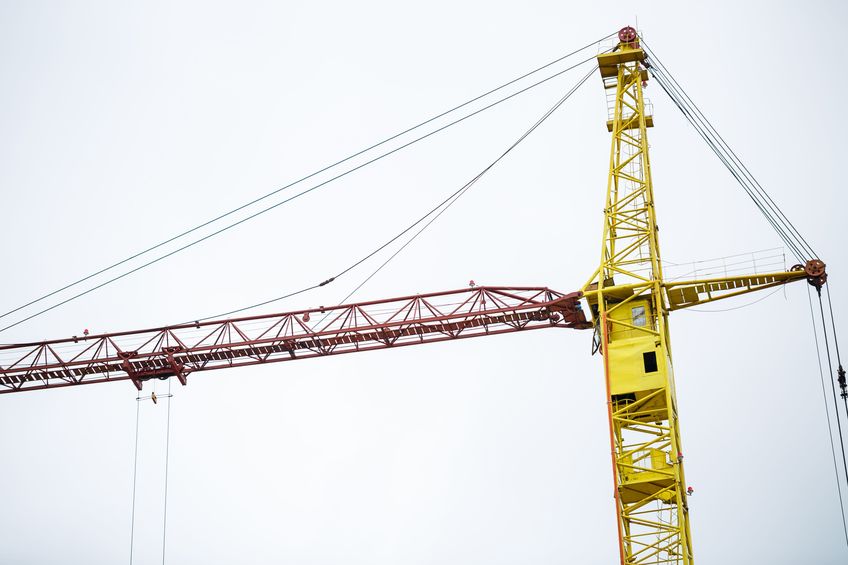
Wind is one of the most unpredictable hazards crane operators face on the job site. Even experienced crews can run into dangerous situations when strong gusts affect load movement or crane stability. A sudden change in weather can quickly turn a routine lift into a serious safety risk if the proper precautions are not in place.
While every crane has specific operating limits set by the manufacturer, there are several best practices crews can follow to improve safety when working in windy conditions.
1) Monitor Wind Speeds Closely
One of the most important things you can do during crane operation is continuously monitor wind conditions. Wind speeds can vary throughout the day, and gusts are often more dangerous than steady winds because they can suddenly shift loads or place extra stress on the crane structure.
Using weather monitoring tools or on-site anemometers can help operators and supervisors stay aware of changing conditions before they become dangerous. If wind speeds begin approaching unsafe levels, it may be necessary to delay lifts until conditions improve.
2) Reduce Load Size and Lift Height When Necessary
Wind creates additional force on both the crane and the load being lifted. Large or flat loads are especially vulnerable because they catch more wind and can begin to sway unexpectedly.
If windy conditions develop during operation, reducing the load size or lowering lift height can help improve control and stability. Keeping loads closer to the ground whenever possible reduces swinging and makes it easier for operators to maintain safe handling throughout the lift.
It is also important to follow all manufacturer wind speed recommendations for your specific crane and lift setup. Ignoring these guidelines can increase the risk of tipping, structural strain, or uncontrolled load movement.
3) Improve Stability with Proper Ground Support
Wind not only affects the load in the air; it also places additional stress on the crane itself, especially on outriggers and support points. Stable ground conditions become even more important during windy weather.
Crane mats help create a firm, level surface, improving stability and reducing the risk of shifting or sinking. This is especially important on muddy, uneven, or soft ground where wind forces can amplify instability. Outrigger pads and crane mats work together to distribute weight more evenly and support safer crane operation in changing weather conditions.
Clear communication between operators, signal persons, and ground crews is also critical during windy conditions. Staying in constant communication helps crews respond quickly if conditions suddenly worsen or lifts need to pause.
Crane Mat Rentals for Challenging Weather Conditions
At Ritter Forest Products, we understand how important stability is during crane operations, especially when weather conditions become unpredictable. We offer a large inventory of crane mats, laminated mats, and outrigger pads designed to support heavy equipment and improve ground stability on demanding job sites.
Our team can help you choose the right mat solutions based on your equipment, terrain, and project conditions. With flexible rental options and fast delivery directly to your job site, we make it easier to keep your operation safe and productive.
Visit us online to explore our crane mats for rent and request a quote for your next project.